







Search Results for: green coffee pricing
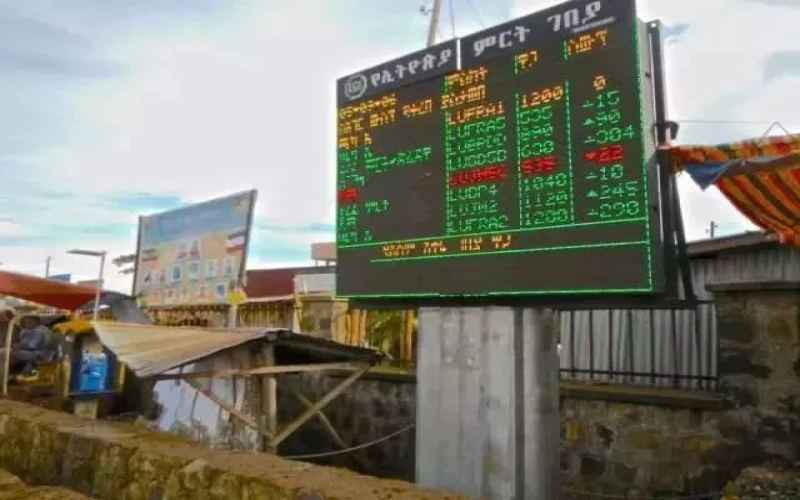
Ethiopia's Coffee Export Pricing Shifts to a Floating Mechanism, Green Bean Prices May Rise
The Ethiopia Commodity Exchange is implementing a brand-new pricing method for green coffee exports. From now on, green coffee prices will be calculated weekly by referencing Arabica futures on the New York ICE Intercontinental Exchange and the real-time exchange rate of the Commercial Bank of Ethiopia. This change is expected to allow local coffee farmers to share in more of the benefits, but it also faces a dual test from international futures volatility and the EU's EUDR regulations. The new mechanism applies only to commercial coffee beans, while specialty coffee is not included for the time being. Front Street Coffee will continue to follow developments in producing regions and bring first-hand information to enthusiasts. [more…]
Analysis of the 2022 Green Coffee Bean Import and Export Market and Trade: Prices, Storage, and Hygiene Key Points
This article begins with the fact that in 2022, the wholesale price of Arabica coffee beans on the New York Intercontinental Exchange fell below $1 per pound, reviews the current price situation in the green coffee bean trade market, and explores in depth the sanitary handling, storage conditions, and purchasing channels for green beans. The article also offers suggestions on practical issues such as green bean washing and temperature and humidity control, while reminding industry practitioners to raise their awareness of coffee bean food safety, helping coffee enthusiasts and industry professionals gain a more comprehensive understanding of the key stages of green beans from import to before roasting. [more…]
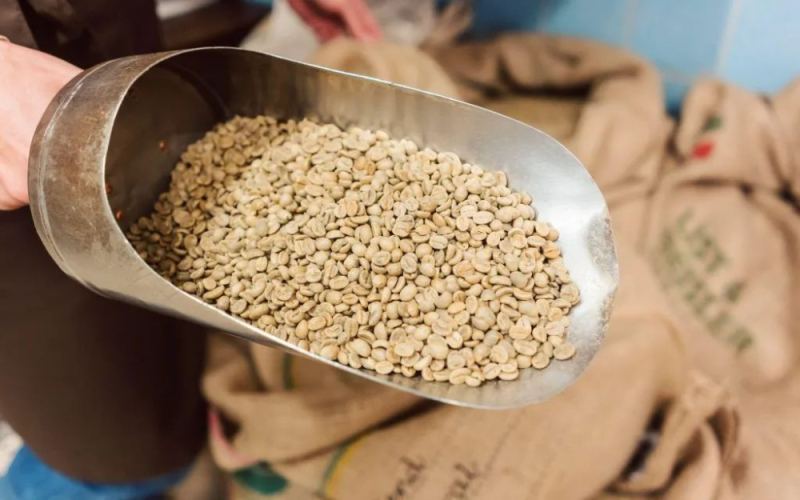
ICE Arabica certified stocks fall to a 24-year low, with nearly 30% of green beans stored for over a year becoming aged beans
Intercontinental Exchange's certified arabica green coffee inventory has plummeted to a 24-year low, totaling just 368,000 bags. More alarmingly, nearly one-third of these beans have been sitting in delivery warehouses for over a year, becoming stale coffee. This situation stems from spot prices exceeding futures prices, prompting roasters to buy directly from exchange stocks, while congestion at Brazilian ports makes replenishment with new beans a distant prospect. The combination of low inventory and the stale bean problem, compounded by global economic and financial uncertainty, has led the market to widely expect green coffee prices to remain highly volatile in the medium term. [more…]
Is Coffee Better the More Expensive It Is? Analyzing the Pricing Logic and Flavor Relationship from Variety, Grade, and Yield
Many people are in the habit of directly equating "expensive" with "good," especially in the specialty coffee world, where price is often seen as synonymous with quality. But can whether a cup of coffee tastes good really be decided by its price tag? This article breaks down the causes behind price from three dimensions—coffee variety, green bean grade, and yield—and, combined with real consumption scenarios at Front Street Coffee shops, explores the true relationship between price and taste. Whether you prefer the acidic flavors of a light roast or the rich, mellow mouthfeel of a dark roast, there are in fact representative choices in every price range. After reading, you'll find that a high or low price is merely the result of market supply and demand and production standards, while the standard for a "good cup of coffee" ultimately depends on whether it suits your taste preferences. [more…]
The Logic Behind Coffee Bean Pricing: How Variety, Grade, and Yield Affect Price, and Whether Expensive Equals Better Taste
It is often said that you get what you pay for, but in the world of coffee, can a higher price really be equated directly with better quality? At Front Street Coffee's shop, we once had a customer ask, staring at the 75-yuan Emerald Red Label, "Is it really tastier than a 30-yuan ordinary pour-over?" To answer this question, we first need to understand the underlying logic of coffee pricing. There are three main core factors affecting coffee bean prices: first, variety—Arabica and Robusta differ significantly in cultivation difficulty and yield; second, green bean grade—each producing country grades beans based on size, altitude, or defect rate; third, yield—take Jamaican Blue Mountain and Panamanian Geisha as examples, where rarity can drive prices up substantially. But a price tag cannot decide for consumers whether a cup of coffee suits their taste, as evidenced by a regular at Front Street Coffee who, after trying Gold Label Geisha, exclaimed that it was too sour. This article will break down these factors one by one to help enthusiasts find the cup of good coffee that truly belongs to them. [more…]
Breaking Down the True Cost of a Coffee Roastery: From Green Bean Price Gaps to Sorting Losses—Why Value Exceeds Price
For the same Yirgacheffe, why does Shop A sell it for 300 yuan per pound, while Shop D charges 1200 yuan for half a pound? Behind the price gap is not just a game of origin labels, but also layer upon layer of costs including fluctuations in supply, green bean grade, roasting weight loss, and manual bean sorting. This article, from the perspective of a shop that roasts its own beans, breaks down the true structure of coffee bean pricing and explains why the value of "genuine goods at a fair price" is often more precious than the listed price. The article also mentions Front Street Coffee's tasting service, helping consumers judge in the most direct way whether a bag of beans is truly worth it. [more…]
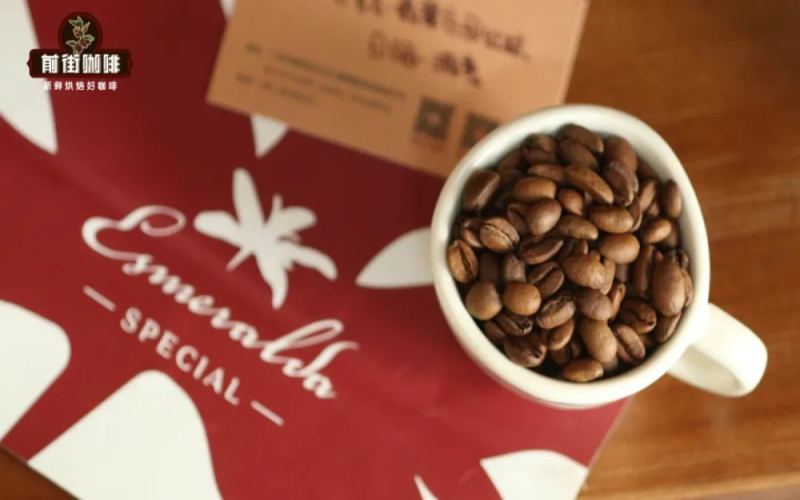
Why Is Geisha Coffee So Expensive? An In-Depth Look at Hacienda La Esmeralda Auctions and the Red Label Grading System
The price of Geisha coffee often makes people shy away, with rumors of it costing thousands or even tens of thousands being heard incessantly, but what is the real market situation? From the perspective of Front Street, this article systematically sorts out the underlying logic behind the high price of Geisha, including the difficulty of cultivating the variety, yield limitations, and market supply and demand relationships. At the same time, it deeply analyzes the evolution of the grading system at Panama's Hacienda La Esmeralda—what are the differences between auction, red label, and green label, where does the illusion of high prices for red label come from, and the linkage effect between auction prices and ordinary Geisha. Whether you are a beginner just getting into specialty coffee or a seasoned enthusiast focused on the green bean market, you can gain a clear cognitive framework from it. [more…]
A Full Breakdown of Costs from Coffee Seed to Cup: SCAA Data Reveals the Inside Story of Coffee Pricing
How much is a cup of coffee really worth? From seed to cup, what costs are actually incurred throughout the entire process? Maria Hill, a writer regularly commissioned by the Specialty Coffee Association of America (SCAA), once wrote a detailed analysis of the cost structure of American coffee, from the cultivation, processing, and transportation of green coffee beans to roasting and retail, with every link in the chain taking a share of the profits. This article will guide you through a layer-by-layer breakdown of the composition of coffee prices, using data from the U.S. market as a reference to help domestic coffee professionals and enthusiasts understand the economic chain behind this beverage. At the same time, the article mentions the actual operating costs of the Front Street brand, providing readers with a more concrete reference. [more…]
2018 Panama BOP Auction Concludes: Natural Geisha Sets a Record High of $803 per Pound, Hacienda La Esmeralda Crowned Double Champion
The results of the 2018 Best of Panama (BOP) auction have been officially revealed. The natural Geisha shattered the historical record with a staggering price of $803 per pound, becoming this year's top lot. Elida Estate, with its double victory in both the washed and natural Geisha categories, became the first "double champion" in BOP history. This year's auction not only witnessed the continued dominance of the Geisha variety but also reflected the profound impact of reduced production in the Panama region on the scale of the competition. Front Street Coffee takes you through a comprehensive review of the highlights and changes of this world-class green bean event. [more…]
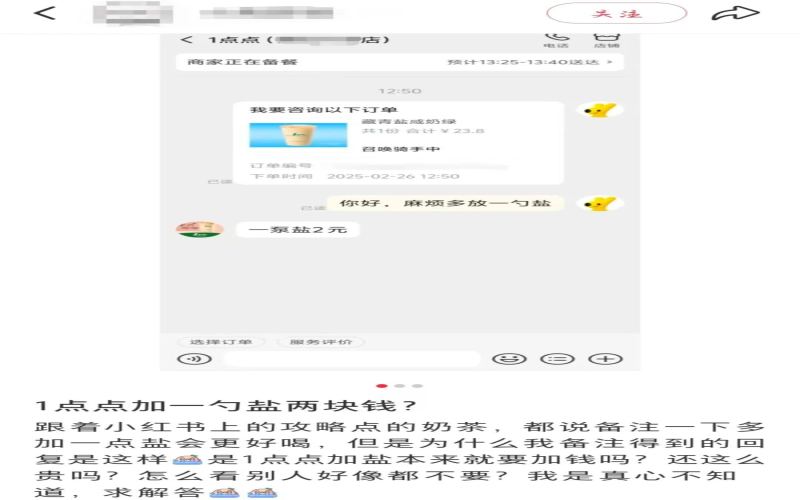
A little bit of salted milk green tea with added salt at a higher price sparks heated discussion; consumers ask whether sugar-free or less-sugar options should come with a price refund
Recently, a post about 1 Dian Dian's navy salt salted milk green tea charging an extra 2 yuan for added salt sparked widespread discussion on social media. Some customers, following online guides, asked for extra salt, only to be told that one pump of salt costs 2 yuan, which was far from their expectations. Subsequently, 1 Dian Dian employees and official customer service explained that the "salt" is actually a relatively expensive navy salt rock sugar flavor syrup, and according to company policy, additional additions require payment. Although the store has apologized for the incorrect price quote, netizens have derived a new question: since adding sugar costs money, should customers who order less sugar or no sugar also get a refund for the corresponding syrup price difference? This debate about the pricing logic of tea drinks quickly became a topic of interest for coffee and tea enthusiasts. [more…]
An In-Depth Comparison of Green Mountain Coffee and Blue Mountain Coffee: Flavor and Taste Differences and an Analysis of the Reasons Behind Blue Mountain's High Price
Green Mountain Coffee and Blue Mountain Coffee differ by only one character in their names, but they are completely different in essence, origin, and positioning. Green Mountain Coffee is a commercial brand founded in Vermont, USA, focused on the convenient and affordable K-Cup single-serve system; Blue Mountain Coffee, on the other hand, is a top-tier Arabica coffee produced in the Blue Mountains of Jamaica, famous for its balanced and elegant flavor. This article will analyze in detail the characteristics and flavor differences of both, as well as the history and yield factors behind the high price of Blue Mountain Coffee, and bring you Front Street Coffee's brewing suggestions for Blue Mountain No. 1. [more…]

NetEase Launches Blizzard Green Tea Coffee in Response to Blizzard Contract Renewal Dispute, 13 Yuan Pricing Sparks Heated Debate
Recently, the agency agreement dispute between Blizzard and NetEase has become a hot topic. After Blizzard proposed conditions including a six-month renewal, NetEase responded with a tough stance and launched a 13-yuan "Blizzard Green Tea" at its campus café, which was quickly embraced by employees. Subsequently, new items such as "Blizzard Has No Heart" were introduced, and creative dish names with plenty of innuendo appeared on the menu. Behind this business game, coffee unexpectedly became a vehicle for expressing attitudes. This article takes you through the whole incident and lets you savor the distinctive flavor of this cup of "Blizzard Green Tea." [more…]

A Shanghai coffee shop launches a Geisha at 6,200 yuan per cup—what exactly is the cost of BOP champion beans?
Following the heated discussion sparked by a cup of coffee priced at 4,988 yuan, a coffee shop in Shanghai has once again reset perceptions of pricing by offering a cup for 6,200 yuan. The shop says the beans used are this year's Best of Panama (BOP) washed Geisha champion beans, with a score of 96.5, setting a new record for the washed category. From the green bean auction price, international shipping, tariffs, and roasting loss to store operating costs, how exactly does the value of this cup of coffee pile up layer by layer? Is high-priced coffee truly worth the money or just hype? This article will break down the cost logic and market phenomenon behind this sky-high-priced cup of coffee. [more…]
What brand is Green Mountain Coffee? How much does a K-Cup coffee cost, and how is it different from Starbucks?
Green Mountain Coffee is often compared with Blue Mountain Coffee, but the two actually belong to different concepts: Green Mountain Coffee is an American coffee company, while Blue Mountain Coffee refers to coffee beans produced in Jamaica's Blue Mountains. Green Mountain Coffee Company's core business is the Keurig coffee machine and its matching K-Cups. Relying on a unique business model, it has secured a place in the global market, with annual sales reaching as high as 1 billion K-Cups. A K-Cup is a patented capsule container that is convenient to use—no need to grind beans or measure portions, and a cup of coffee can be made in one minute, at a price far lower than Starbucks. This article will introduce Green Mountain Coffee's business model, the features of K-Cups, and the price range, and compare its differences with Starbucks. [more…]
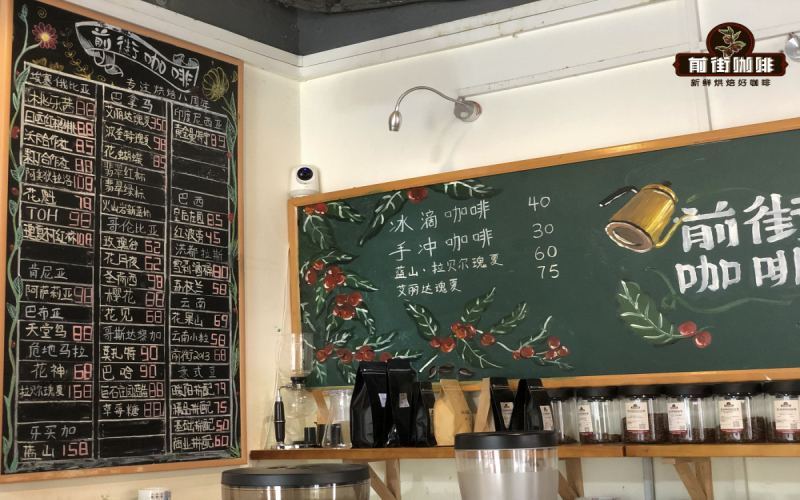
A Complete Guide to Panama Geisha Coffee: Variety Origins, Growing Conditions, Market Prices, and Flavor Brewing Guide
Geisha coffee holds a unique and exalted position in the specialty coffee world, with its price consistently ranking at the top of the menu. From the perspective of Front Street, this article systematically traces Geisha's varietal origins and rise to fame, analyzing the deep-seated reasons behind its high price, including its stringent requirements for growing conditions such as altitude, soil, and shade, as well as varietal characteristics like thin leaves, weak root systems, and low yields. It also introduces the Best of Panama (BOP) competition and Hacienda La Esmeralda's grading system, details the flavor differences between washed and natural processing methods, and offers red label, green label, and affordable alternative options from Front Street's bean list. Finally, it includes brewing parameters and flavor descriptions for the washed green label, helping enthusiasts fully understand Geisha's value and charm. [more…]
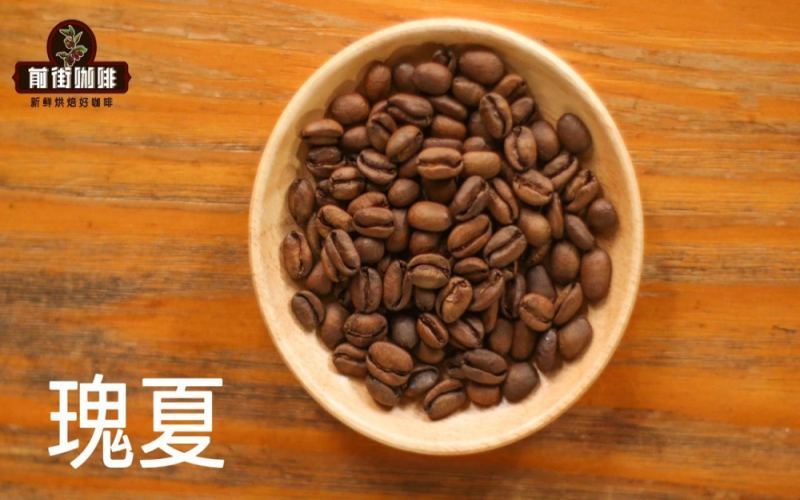
Geisha Coffee Price and Flavor Full Analysis: Panama Emerald Estate Red and Green Label Characteristics and Front Street Brewing Suggestions
Geisha coffee has long been praised as the king of specialty coffee, with prices ranging from a few dozen yuan to over a hundred yuan per cup, underpinned by strict growing conditions and distinctive flavor profiles. This article begins with Geisha's origins and rise to fame, sorts through the flavor differences and price ranges of Panama Hacienda La Esmeralda's Red Label, Green Label, and the Boquete production region, and shares Front Street Coffee's specific recommendations for light roasting and V60 brewing. Whether you want to understand why Geisha is so expensive or are looking for a cost-effective everyday Geisha, you will find practical reference information in this article. [more…]
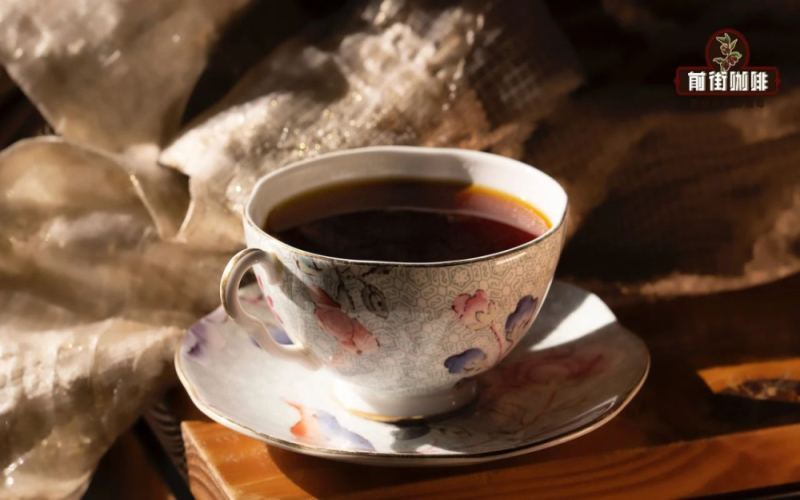
Why Is Geisha Coffee Called the Most Expensive Coffee Bean? A Full Analysis of Hacienda La Esmeralda Red, Green, and Blue Label Prices and Pour-Over Parameters
Geisha coffee has always been the unattainable dream in the hearts of coffee lovers; its elegant and refined flavors have captivated even the most seasoned connoisseurs who favor the rich, full-bodied taste of Mandheling. Just what makes this high-quality coffee so expensive? How much does a cup of pour-over Geisha cost? Front Street Coffee's Emerald Red Label Geisha freshly ground pour-over is priced at 75 yuan, while the Green Label is 60 yuan. This article will systematically sort out the varietal origins of Geisha, the Red-Green-Blue label grading system of Panama's Emerald Estate, the growing environment of Debora Estate, and the flavor characteristics and brewing suggestions for each grade of Geisha, helping readers gain a comprehensive understanding of where the value of this precious variety lies. [more…]
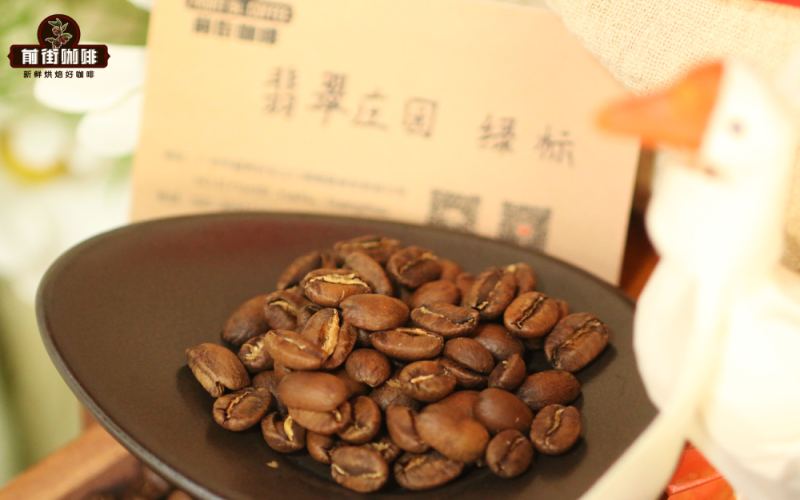
Panama Hacienda La Esmeralda Geisha Cold Drip Brewing Guide: Green Label Flavor Analysis and Price Reference
Geisha coffee is renowned worldwide for its elegant floral aroma and complex fruity notes, but its high price also deters many enthusiasts. From the perspective of Front Street, this article reviews the historical origins of the Geisha variety, the grade differences between Emerald Estate's Red Label and Green Label, and the reasons why Geisha prices remain so high. At the same time, Front Street will use Emerald Green Label Geisha as an example to demonstrate in detail the brewing parameters and operating steps for cold drip coffee, and share the white floral, orange, blueberry, and green tea flavors this bean presents under low-temperature extraction. If you are planning to buy a high-quality Geisha, or want to try making cold drip at home, this article is worth reading. [more…]

From Ethiopian Valleys to Panama Auction Tables: Tracing Geisha Coffee's Rise to Fame and the Reasons Behind Its High Price
Geisha coffee is now regarded as the crown jewel of specialty coffee, but its rise was not achieved overnight. From 1936, when the Englishman Richard Whalley collected seeds in the Geisha Mountains of Ethiopia, Geisha's footprint successively reached Kenya, Tanzania, and Costa Rica, and was finally brought to Panama in 1960 by Don Pachi Serracin. Before 2004, Geisha was long interplanted with other varieties, grown at low altitudes, and had never displayed its own flavor as a single variety. It was not until Daniel Peterson of Hacienda La Esmeralda presented an unblended Geisha in the Best of Panama green bean competition that this bean won first place in one stroke, with a bid price of only $21 per pound at the time. After that, the market crisis triggered by the collapse of the International Coffee Agreement in 1989, together with the push of the specialty coffee wave after the founding of the SCAA, jointly propelled Geisha onto the legendary stage. This article will sort out this historical thread and explain why Geisha prices remain persistently high. [more…]
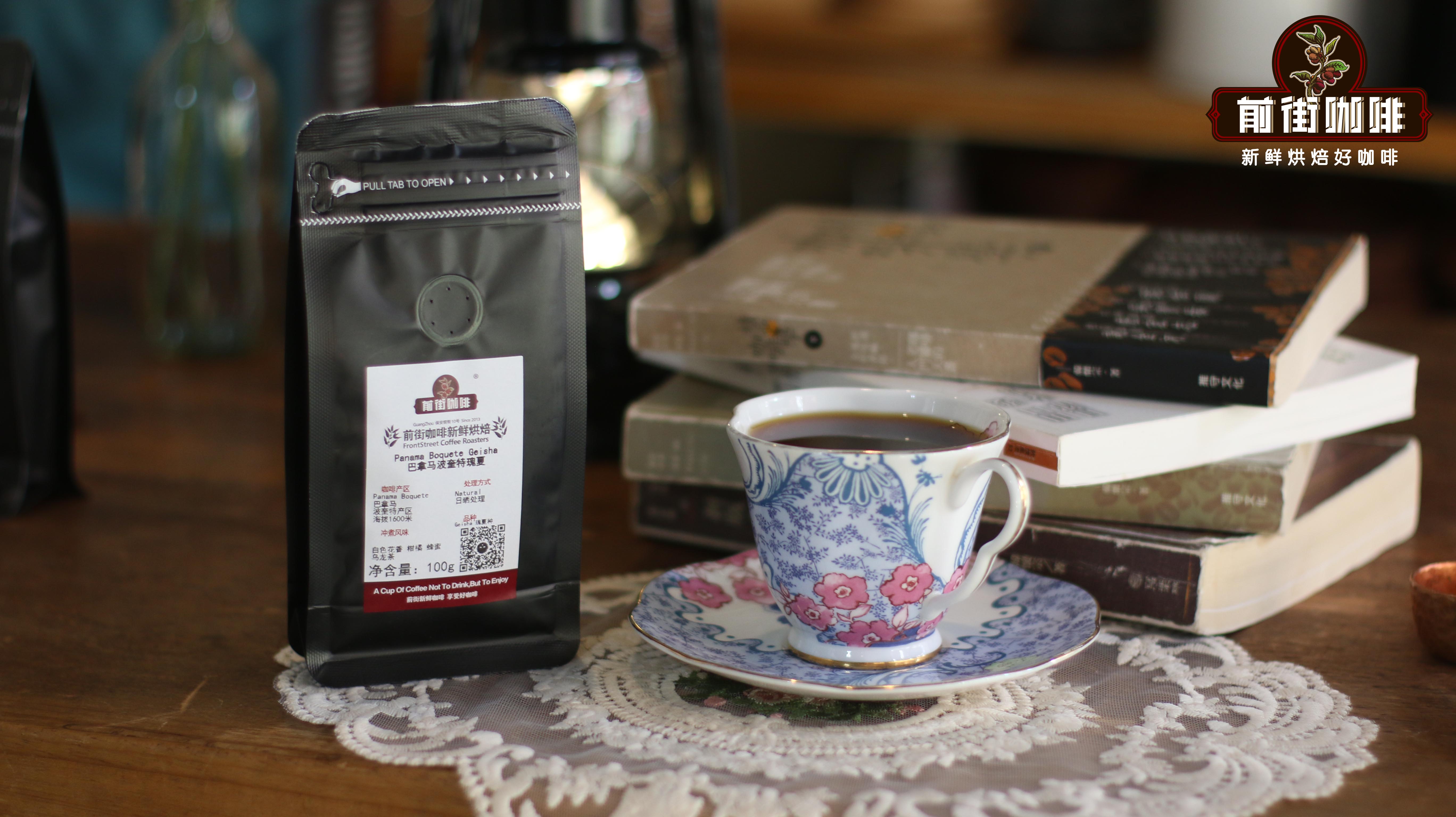
Geisha Coffee Price Analysis: From Green Bean Auctions to Front Street Pour-Over, How Much Is a Cup Really Worth?
Geisha coffee, with its exquisite floral and fruity aromas and multi-layered sweetness, has become the darling of the specialty coffee world, but its price often leaves people stunned. Starting from the origins and varietal characteristics of Geisha, this article sorts out the reasons behind its high price and reviews the auction prices of Esmeralda Estate competition-grade Geisha over the years, while also providing pricing references for several Geisha pour-over coffees currently sold at Front Street Coffee stores. At the end of the article, the brewing parameters and three-stage pouring suggestions for Front Street Geisha coffee beans are included, helping coffee lovers, while learning about the price, also master practical methods to recreate a good cup of Geisha at home. [more…]